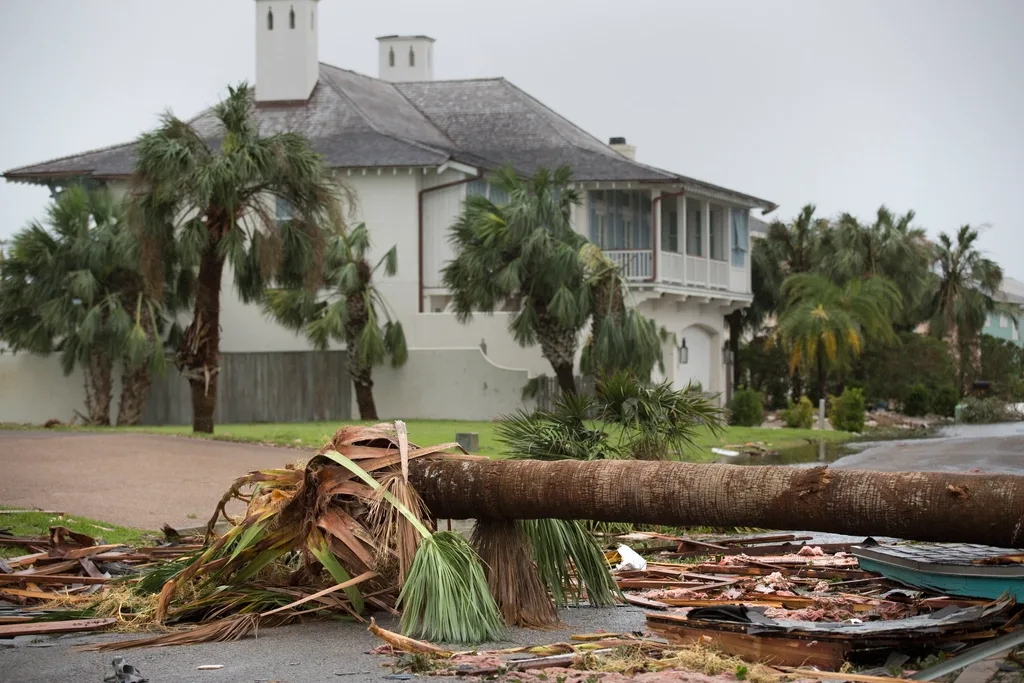
For many Florida homeowners and business owners, the storm is only the first problem. The cleanup starts, and weeks later it becomes clear that the insurance claim is the harder part. A claim that starts with good records and timely notice is much easier to defend later. This guide covers what to do now, while the details are fresh.
- Photograph and video all damage before you clean up, and keep receipts for emergency repairs.
- For hurricane claims, Florida treats the landfall date as the date of loss. Notice of an initial or reopened claim is generally due within 1 year, and a supplemental claim within 18 months (Fla. Stat. § 627.70132).
- Your insurer must acknowledge your claim within 7 days and generally pay or deny it within 60 days of notice (Fla. Stat. § 627.70131).
- Flood damage is usually a separate claim under a flood policy, not your homeowners policy.
- A denial, a low offer, an examination under oath request, or a reservation of rights letter are good reasons to speak with an attorney.
What we know about Hurricane Isaias
According to the National Hurricane Center (NHC), Isaias strengthened to a Category 3 hurricane over the Gulf on the afternoon of Friday, October 9, 2026. It made landfall near Destin, Florida, around 8:30 p.m. CDT that evening as a Category 2 hurricane, then moved north into Alabama. Before landfall, the NHC had a hurricane warning in effect from Ocean Springs, Mississippi, to the Bay/Gulf County line in Florida, and a storm surge warning from the mouth of the Mississippi River to the Suwannee River.
Governor DeSantis declared a state of emergency on October 6 and expanded it on October 7 and October 10. As amended by Executive Order 26-212, it covers Baker, Bay, Calhoun, Citrus, Columbia, Dixie, Escambia, Franklin, Gadsden, Gilchrist, Gulf, Hamilton, Hillsborough, Holmes, Jackson, Jefferson, Lafayette, Leon, Levy, Liberty, Madison, Okaloosa, Pasco, Pinellas, Santa Rosa, Suwannee, Taylor, Wakulla, Walton, and Washington counties.
On October 9, FEMA approved an emergency declaration for Florida (EM-3655-FL) covering 27 of those counties. As of October 15, 2026, FEMA’s published data shows that declaration provides Public Assistance to state and local governments; it does not include Individual Assistance for households. That can change, so check FEMA’s Isaias page and DisasterAssistance.gov for updates.
What to do in the first days after the storm
Safety comes first. Stay away from downed power lines and standing water, and do not enter a building that may be structurally unsafe. No insurance claim is worth an injury. Once it is safe, the following steps protect both your property and your claim.
Document everything before you clean up
- Take wide photos of each side of the building, then close-ups of every damaged area: roof, windows, doors, ceilings, walls, floors, fences, and outbuildings.
- Record a slow video walk-through of the inside and outside. Narrate what you see and the date.
- Photograph water lines on walls, wet insulation, and damaged contents, along with model and serial numbers of appliances and electronics.
- If you have photos of the property from before the storm, gather them now. They help answer “pre-existing damage” arguments later.
Prevent further damage, and keep every receipt
Most property policies require you to take reasonable steps to protect the property from more damage. That can mean tarping a roof, boarding a broken window, or removing standing water. Photograph the damage before you make temporary repairs, keep every receipt, and hold off on permanent repairs until the insurer has had a chance to inspect, unless waiting would be unsafe or make the damage worse.
Do not throw out damaged items before documenting them
It is tempting to haul everything to the curb. Before you do, photograph each item and make a written list with a description, approximate age, and where you bought it. If you can safely keep small samples of damaged materials, such as a piece of flooring, carpet, or drywall, do so. Once an item is gone, it is much harder to prove its value.
Get your policy and keep it in writing
Ask your insurer or agent for a complete copy of your policy, including the declarations page and any endorsements. Note your hurricane deductible; our guide to Florida hurricane deductibles explains how it works. Keep a log of every call, with the date, the person’s name, and what was said, and follow up important conversations by email. For a full list, see our hurricane damage claim checklist.
Reporting your claim: Florida’s notice deadlines
Report the claim as soon as you reasonably can. Your policy may require prompt notice, and early reporting gets an adjuster scheduled sooner and keeps the facts fresh.
Florida law also sets outer limits. Under Fla. Stat. § 627.70132, a property insurance claim or reopened claim is barred unless notice is given to the insurer within 1 year after the date of loss. A supplemental claim, for additional damage from the same peril, must be noticed within 18 months after the date of loss. For hurricane claims, the statute says the date of loss is the date the hurricane made landfall. The NHC reported that Isaias made landfall on the evening of October 9, 2026.
A claim or reopened claim is barred unless notice is given within 1 year after the date of loss; a supplemental claim, within 18 months. For hurricanes, the date of loss is the date the hurricane made landfall.
These notice deadlines are separate from the deadline to file a lawsuit. Our guide on how long you have to file a hurricane claim in Florida walks through both.
What your insurer must do, and by when
Florida’s claims-handling statute, Fla. Stat. § 627.70131, puts the insurer on a clock too:
- 7 calendar days to review and acknowledge a communication about your claim, unless it pays within that time.
- 7 days after it receives proof-of-loss statements to begin a reasonably necessary investigation.
- 30 days after it receives proof-of-loss statements to complete any physical inspection of the property.
- 60 days after it receives notice of an initial, reopened, or supplemental claim to pay or deny the claim, or a portion of it, with a reasonable written explanation.
When the insurer’s adjuster inspects the property, the statute requires the adjuster to give you a document with his or her name and state adjuster license number. Florida law also generally requires the insurer’s representatives to give you at least 48 hours’ notice before an onsite inspection (Fla. Stat. § 626.854(14)).
These deadlines have exceptions. The statute excuses some delays caused by “factors beyond the control of the insurer,” which can include certain regulatory orders after a major storm. Still, a missed deadline is worth writing down. Our guide on how long a Florida insurer has to respond to your claim goes deeper.
Questions about your Isaias claim?
The consultation is free. Tell us what was damaged, when you reported it, and what your insurer has said so far.
Why hurricane claims get delayed, underpaid, or denied
Every claim is different, but a few disputes come up again and again after Florida hurricanes:
- Wind versus water. A homeowners policy generally covers wind damage but excludes flood. When a storm brings both wind and surge, insurers may attribute damage to flood or rising water rather than wind. Our article on flood versus wind damage coverage explains the difference.
- Pre-existing damage or wear and tear. Insurers often argue that roof or water damage existed before the storm or came from age and deterioration. Before-and-after photos and repair records matter here. See our guide to pre-existing damage denials.
- Late notice. Waiting too long to report can give the insurer a defense, and after the statutory deadlines the claim may be barred entirely.
- Scope and pricing disputes. The insurer’s estimate may leave out damaged areas, assume a repair where replacement is needed, or use pricing that does not match local costs after a storm.
- Missing documentation. Requests for more documents, proof-of-loss forms, or recorded statements can stall a claim when the paperwork is incomplete.
When a licensed public adjuster can help
A licensed public adjuster works for the policyholder, not the insurance company. A public adjuster can document the loss, prepare an estimate, and negotiate the claim with the insurer. For many straightforward claims, that help is valuable.
Florida law also sets limits. Under Fla. Stat. § 626.854:
- A public adjuster may not give legal advice.
- For claims based on events covered by a Governor’s state of emergency declaration, public adjuster fees are capped at 10 percent of claim payments, for claims made during the year after the declaration. Otherwise the cap is generally 20 percent.
- If the contract was signed because of an event under a state of emergency, you may cancel it without penalty within 30 days after the date of loss or 10 days after signing, whichever is longer.
- Public adjusters may solicit only Monday through Saturday, between 8 a.m. and 8 p.m.
Before you sign, confirm the adjuster’s license through the Florida Department of Financial Services licensee search. Our article on what Florida public adjusters can and cannot do covers the details. If a public adjuster is already working on your claim, you can keep them; our guide explains when to also call an attorney. Public adjusters can learn how we work alongside them on our Public Adjuster Collaboration Program page.
When to talk to an attorney
Many claims resolve without a lawyer. These are signs your claim has become a legal dispute:
- A denial or partial denial, especially one that blames flood, pre-existing damage, or wear and tear.
- A lowball offer that is far below your contractor’s or public adjuster’s estimate.
- A request for an examination under oath, which is sworn testimony, usually with a court reporter and the insurer’s lawyer present.
- A reservation of rights letter, which means the insurer is investigating while keeping the option to deny coverage later.
- Missed deadlines, such as no payment or denial within 60 days of notice.
- A demand for appraisal or pressure to sign a release. Our article on the appraisal process explains what that means.
An attorney can review the policy and the insurer’s position, advise you on your rights and deadlines, and handle pre-suit notice and litigation if it comes to that. If any of these signs apply, our hurricane claim review page is a good place to start.
Flood insurance is a separate claim
Standard homeowners policies generally exclude flood, including storm surge. Flood coverage usually comes from a separate policy, either through the National Flood Insurance Program (NFIP), which FEMA manages, or from a private flood insurer. If you have a flood policy, report the flood claim to that insurer separately and follow its own requirements and deadlines, which are different from your homeowners policy.
FEMA’s FloodSmart claim guide explains how to start an NFIP claim. For federal disaster assistance, check DisasterAssistance.gov. Florida’s Department of Financial Services also runs a free Insurance Consumer Helpline at 1-877-693-5236 and offers storm resources and mediation for residential property claims.
Frequently asked questions
What is the deadline to report a Hurricane Isaias claim in Florida?
Under Fla. Stat. § 627.70132, notice of an initial or reopened property insurance claim must be given within 1 year after the date of loss, and notice of a supplemental claim within 18 months. For hurricane claims, the date of loss is the date the hurricane made landfall, which the National Hurricane Center reported as the evening of October 9, 2026. Your policy may also require prompt notice, so report as soon as you reasonably can.
How long does my insurer have to pay or deny my hurricane claim?
Under Fla. Stat. § 627.70131, the insurer must acknowledge a communication about your claim within 7 calendar days and generally must pay or deny the claim, or a portion of it, within 60 days after it receives notice of the claim. The statute allows some exceptions for factors beyond the insurer's control.
Does my homeowners policy cover storm surge flooding?
Usually not. Standard homeowners policies generally exclude flood, including storm surge. Flood damage is typically covered only by a separate flood policy, either through FEMA's National Flood Insurance Program or a private flood insurer, and that claim must be reported to the flood insurer separately.
Should I make repairs before the insurance adjuster inspects?
Make reasonable temporary repairs to prevent further damage, such as tarping a roof or boarding a window, after you photograph the damage, and keep every receipt. Hold off on permanent repairs until the insurer has had a chance to inspect, unless waiting would be unsafe or make the damage worse.
How much can a public adjuster charge for a Hurricane Isaias claim?
Under Fla. Stat. § 626.854, for claims based on events covered by a Governor's state of emergency declaration, a public adjuster's fee is capped at 10 percent of claim payments for claims made during the year after the declaration. You may also cancel such a contract without penalty within 30 days after the date of loss or 10 days after signing, whichever is longer.
When should I talk to an attorney about my hurricane claim?
Consider speaking with an attorney if your claim is denied or partly denied, the offer is far below your estimates, the insurer requests an examination under oath, you receive a reservation of rights letter, or the insurer misses its statutory deadlines. MAC Legal P.A. offers a free consultation.
How MAC Legal can help
MAC Legal P.A. is a plaintiff-side trial firm based in Hollywood, Florida. Michael A. Citron is licensed by The Florida Bar and represents homeowners, condominium and HOA boards, and businesses throughout Florida in disputes with their property insurers, including denied, delayed, and underpaid hurricane claims. We also work with licensed public adjusters when a claim needs legal help.
If Hurricane Isaias damaged your property and your claim is not going the way it should, schedule a free consultation. We will review your policy and the insurer’s position and explain your options plainly. Fee arrangements depend on the case and are explained in writing before you hire us; contingency arrangements may be available in some matters.
This article provides general information about Florida law as of October 15, 2026, and is not legal advice. Reading it does not create an attorney-client relationship. Storm details come from the National Hurricane Center, FEMA, and the Executive Office of the Governor, and may change.
Sources
- National Hurricane Center, Hurricane Isaias advisory archive (Public Advisory 13 and Tropical Cyclone Update, October 9, 2026)
- Executive Office of the Governor, Executive Orders 26-202, 26-211, and 26-212 (October 6, 7, and 10, 2026)
- FEMA, Florida Hurricane Isaias Emergency Declaration EM-3655-FL (October 9, 2026)
- Fla. Stat. § 627.70132, Florida Senate - Notice of property insurance claim
- Fla. Stat. § 627.70131, Florida Senate - Insurer’s duty to acknowledge communications regarding claims; investigation
- Fla. Stat. § 626.854, Florida Senate - “Public adjuster” defined; prohibitions
- Florida Department of Financial Services, Hurricane Ready consumer resources
- FEMA, National Flood Insurance Program, How do I start my flood claim?